

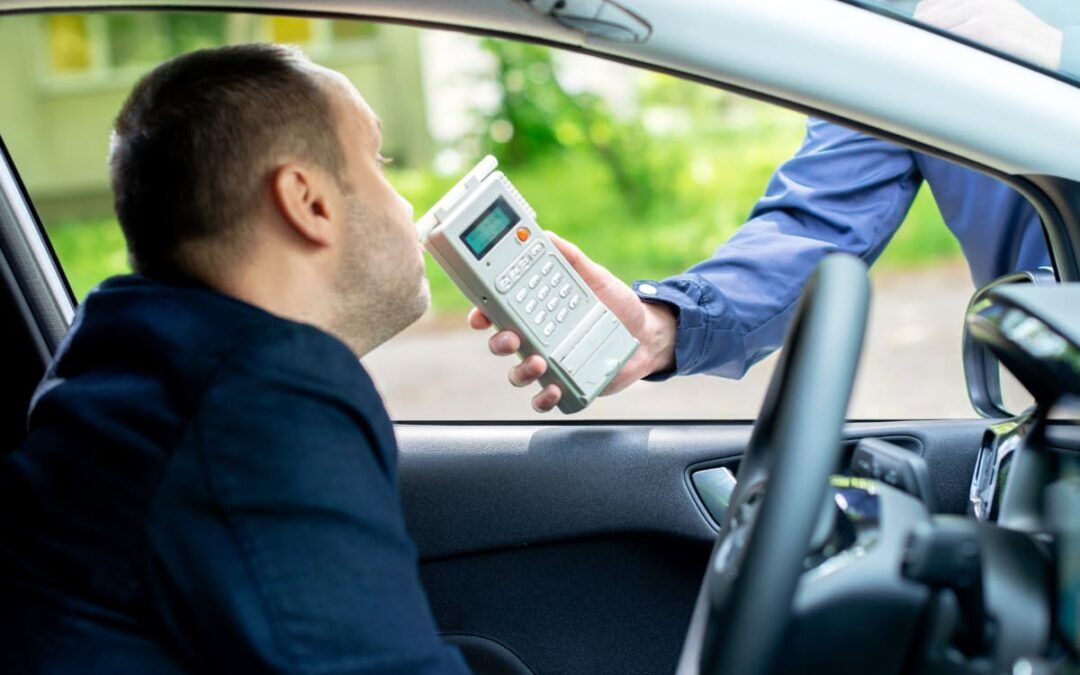
Getting pulled over for suspected impaired driving is frightening. Even if it’s your first time, or you thought you had just “a little,” the law sees it differently.
Your worry is fully justified because a DWI charge carries real consequences and is punishable by law. It can affect your driving privileges, your job, your insurance, and even your future opportunities.
Let’s talk about driving while impaired definition, how it’s different from a DUI, and what the law really means to help you make better decisions moving forward.
Regain Control After a Drunk Driving Charge
Early action can make a real difference for your record.
What Does DWI Mean in Driving?
| DWI (Driving While Impaired) n. – The act of operating a motor vehicle when your ability to drive safely is reduced due to alcohol, drugs, prescription medications, or a combination of substances. |
Even if the driver’s blood alcohol content level (BAC) is below the legal limit, you can still be charged with a DWI if your driving shows signs of being unsafe. Law enforcement officers assess your coordination, reaction time, and judgment. This can include weaving in your lane, slow response to traffic signals, or trouble following instructions.
What Counts as “Impairment” Under DWI Laws?
Impairment isn’t limited to being visibly drunk. It includes any factor that reduces your ability to operate a vehicle safely.
Common causes of impairment include:
- Alcohol
- Illegal drugs
- Prescription medications
- Over-the-counter drugs
- Combination of substances
Police determine impairment through a combination of observations and tests. They may note slurred speech, difficulty walking, red eyes, or unusual behavior. On sobriety checkpoints, they could use field sobriety tests, ask you to perform a breathalyzer, or have you take chemical tests (blood, breath, or urine).
In some cases, you might even be asked to step out of your car and start walking in a straight line.
Driving Under the Influence and Driving While Impaired: What’s the Difference?
The terms DWI and DUI are often used interchangeably, but there are subtle differences:
- DUI (Driving Under the Influence) is usually tied to alcohol and a measurable blood alcohol level.
- DWI (Driving While Impaired) can include drugs, prescription medication, or alcohol, even if your BAC is in the lower limits.
The key difference between a DWI and a DUI is that a DWI focuses on actual impairment, not just a blood-alcohol concentration.
Many people assume a DWI is “less serious” because it doesn’t always involve a high BAC. That assumption is dangerous. Impairment, no matter how slight, can endanger lives—and the law treats it accordingly.
How DWI Laws Work Across Different States

Some states, like Arizona, use the term DUI for cases involving alcohol, drugs, or both. Other states, like California, primarily use DUI for alcohol-related offenses, while DWI may appear only for serious cases, repeat offenses, or drug-impaired driving. In a few states, the terms are used interchangeably.
Penalties also differ depending on where the incident occurs. For example:
- First-time offenses may result in fines, probation, mandatory alcohol education, and license suspension.
- Repeat offenses often carry stricter consequences, including months in jail, license revocation, and larger fines.
- Some states require ignition interlock devices after a DWI conviction.
- Others may impose community service or additional rehabilitation programs.
Beyond the penalties, how a state defines impairment can also vary.
Some states set strict BAC limits for alcohol (usually 0.08), while others allow officers to charge you based on observed impairment even if your BAC is below the legal limit. Many states also consider prescription and over-the-counter drugs, making it possible to face a DWI even without drinking alcohol.
What Happens After a DWI Arrest
If a police officer determines you are impaired, you will be arrested and taken to the station. This is known as booking. During this process, you may be fingerprinted, photographed, and placed in a holding cell. Even first-time offenders can experience hours of detention while paperwork and initial procedures are completed.
Once the arrest is complete, most states will impose an administrative license suspension. This means your driver’s license can be temporarily revoked, sometimes before a conviction is ever entered.
Next comes the criminal process. A formal charge is filed, and you will receive a court date. Depending on your state and circumstances—such as BAC level, prior offenses, or accidents caused—DWI can be charged as a misdemeanor or even a felony. Consequences may include suspension or revocation of license, fines, and jail time.
Stay Compliant with Zero-Tolerance Laws
Take action now to meet court requirements.
Can a DWI Affect Your Future Even Without a Conviction?
It’s important to understand that an arrest does not equal guilt. However, it does start a legal process that can affect your life for years. Employers, insurance companies, and even licensing boards can take notice of a DWI arrest, even if the case is eventually dismissed.
That’s why seeking legal guidance immediately is highly recommended. A skilled DUI/DWI attorney can help navigate DWI laws, protect your rights, and potentially reduce the long-term impact of the arrest.
Facing a DWI Charge? Your Next Steps
A DWI can be overwhelming, but taking control early can change the outcome.
Here’s what to do:
- Don’t ignore the charge. Missing court dates or failing to follow requirements mandated by DWI laws can make matters worse.
- Document everything. Keep records of medications, times, and any relevant circumstances.
- Take responsible steps to address the issue. Enroll in DUI screenings, alcohol education classes, or treatment programs as recommended by your state or court. Refusal will only lead to longer years in jail.
Taking proactive steps shows responsibility and helps protect your privileges and long-term opportunities. Start today by signing up for a DUI screening or educational program.
