

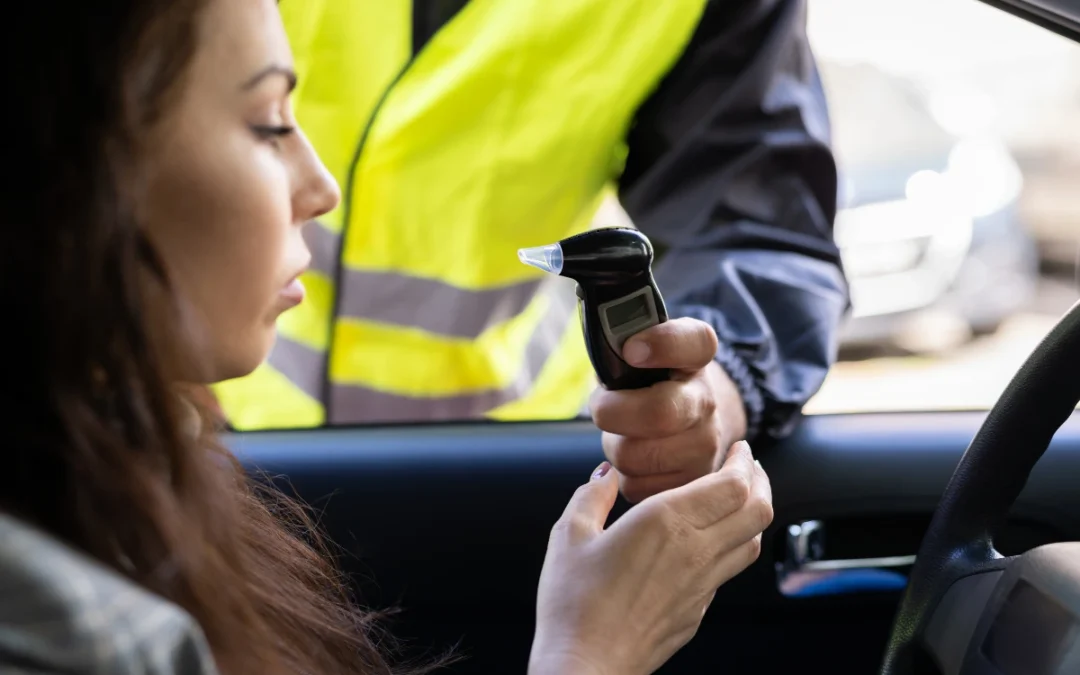
If you are facing a DUI charge, you are likely overwhelmed, afraid, and searching for a clear path forward. The court process is confusing, the penalties are severe, and the emotional toll is heavy.
This moment does not define you. Regardless, the seriousness of the charge—and how you handle it now—will absolutely shape your future.
We are here to give you the facts, without the confusing legal jargon, so you can understand the challenge you face and take the strong steps needed to overcome it.
Take Responsibility After a DUI
Don’t let one mistake define your future. Act now to stay on the right path.
What Does DUI Stand For?
DUI stands for Driving Under the Influence.
It is a serious criminal offense that means you were operating or in control of a motor vehicle while your ability to drive safely was compromised. This impairment can be caused by:
- Alcohol: Referred to as drunk driving or drinking and driving.
- Drugs: This includes illegal drugs, but also prescription medications, or even over-the-counter drugs that affect your ability to drive.
Many states use other terms that mean the same thing, like DWI (Driving While Intoxicated) or OWI (Operating While Intoxicated). Regardless of the name, the charge means the same: your judgment was impaired, and you posed a risk on the road.
Driving Under the Influence – Legal Implications

Driving while under the influence is a criminal offense with serious penalties.
- The Crime of Impairment: In every state, it is illegal to drive a vehicle while impaired by alcohol or drugs. You may get a license suspension or revocation if caught.
- The Legal Limit (Per Se Intoxication): Most states set a specific Blood Alcohol Concentration (BAC) limit of 0.08 percent. If a test proves your BAC is at or above this limit, you are automatically determined to have committed a DUI—this is often called “per se intoxication”.
- Actual Physical Control: You do not have to be actively driving to be charged. If police find you in the driver’s seat with the keys nearby while intoxicated, they can often charge you with a DUI because you were in “actual physical control” of the vehicle. This is why you cannot simply “sleep it off” in your car.
- Refusing Tests: By having a driver’s license, you legally agree to submit to breath or blood testing if you are suspected of a DUI (this is called “implied consent”). Refusing a test will often lead to additional punishments, such as an automatic and immediate license suspension.
How DUI Affects Your Life
A DUI conviction creates a difficult ripple effect that can impact nearly every area of your life for years.
The financial burden is often the most immediate and crippling. You will face heavy court fines, legal fees, costs for mandatory programs (like the screening and classes), and expenses for installing an ignition interlock device.
Beyond the initial expense, a conviction causes your car insurance premiums to skyrocket. They will likely require you to carry expensive SR-22 high-risk insurance for several years.
Next is the loss of your driving privileges for a period. This deeply affects your ability to get to work, school, and handle essential family responsibilities. Furthermore, a DUI conviction appears on background checks, which can make it difficult to secure new work. If your current job requires a professional license (like a doctor or lawyer) or frequent driving, you could face termination or disciplinary action.
Finally, this conviction carries a stigma that can strain personal relationships with family and friends. Feelings of shame, guilt, and anxiety about the future are common and can severely impact your mental health.
Blood Alcohol Concentration (BAC) Levels and Driving Impairment
Blood Alcohol Concentration (BAC) measures the amount of alcohol in your bloodstream. The higher the BAC, the more your ability to drive safely is affected.
| BAC Level | Typical Effects on Driving Ability |
| 0.02–0.05% | Slight relaxation, mild impairment of judgment, slower reaction time |
| 0.05–0.08% | Reduced coordination, impaired judgment, delayed reaction, higher risk of accidents |
| 0.08–0.15% | Clear impairment, poor steering, slower responses, higher likelihood of accidents (legally DUI) |
| 0.15%+ | Severe impairment, loss of control, extreme risk of crashes, legal penalties increase |
Need Help With A DUI ?
Start by meeting a court-approved alcohol screening required by law.
4 Common Myths About DUI Convictions
It is important to separate fact from fear. Do not rely on common myths to protect yourself:
Myth: Only alcohol can get you a DUI.
DUI laws cover any substance that impairs your driving, including illegal drugs, prescription medications, and even some over-the-counter drugs.
Myth: Drinking coffee or taking a cold shower will sober you up fast.
This is false. Only time allows your body to metabolize alcohol. Coffee might make you feel more awake, but it does not lower your BAC or improve your ability to drive safely. A breathalyzer or blood test will still find traces of substance in your system.
Myth: A first DUI is just a minor offense.
A first offense carries significant legal, financial, and professional consequences that can follow you for years. Once you get caught at a sobriety checkpoint, expect a serious criminal conviction.
Myth: You have to be driving to be charged.
If you are not found to be driving (having “actual physical control”) but are seen in the back seat holding your car keys, police officers can still arrest you and convict you of a DUI.
What to Do If You’re Facing a DUI Arrest Charge?
The fear you feel right now is real and completely understandable, but you cannot let it stop you from acting. This is the time to be proactive and responsible, not paralyzed by worry.
Do not delay. The longer you wait, the harder it becomes to address the strict MVD and court deadlines, adding unnecessary stress and potential jail sentence. Your focus must be on immediate compliance, and that starts with the mandatory Alcohol Screening.
